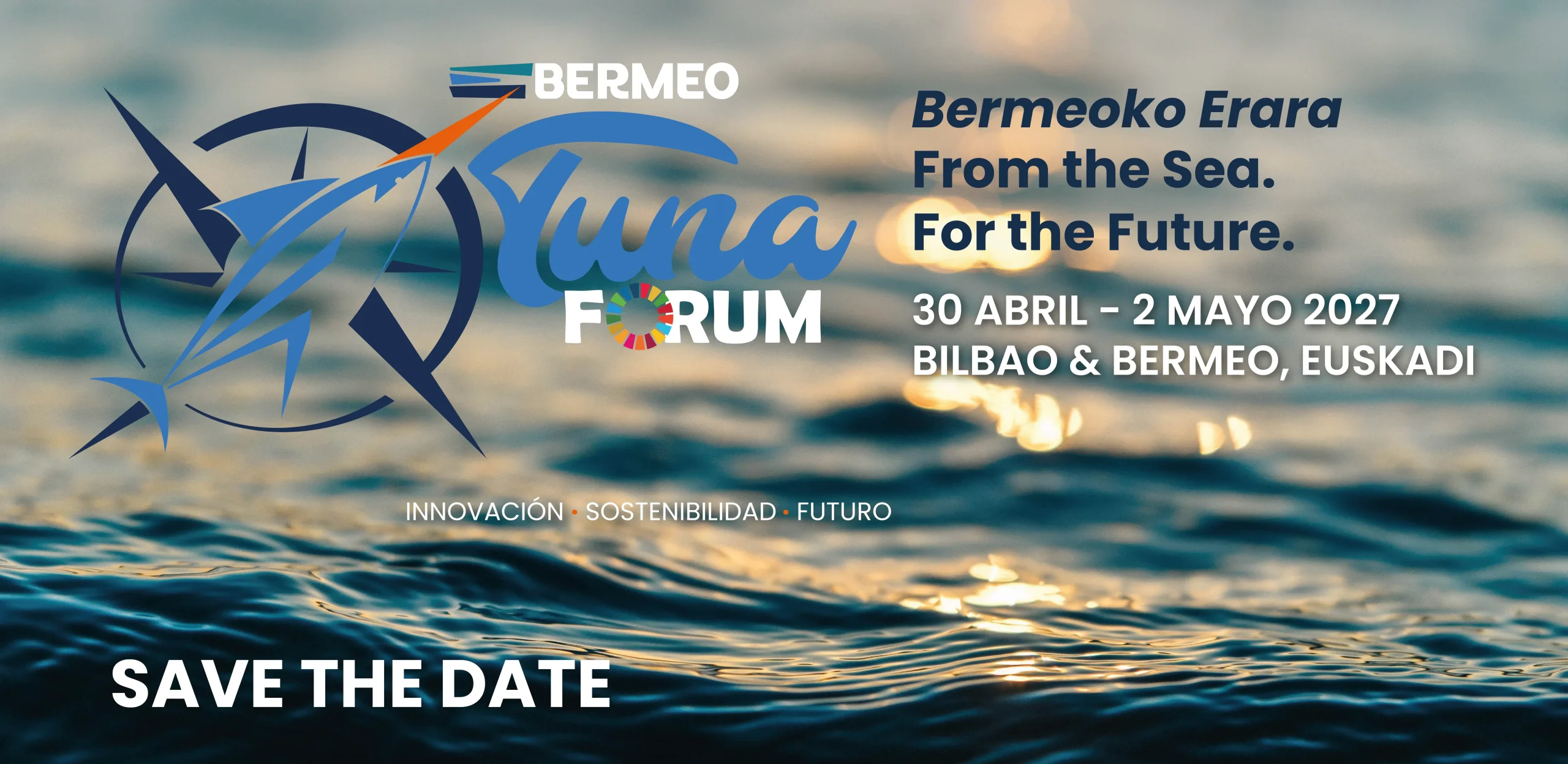
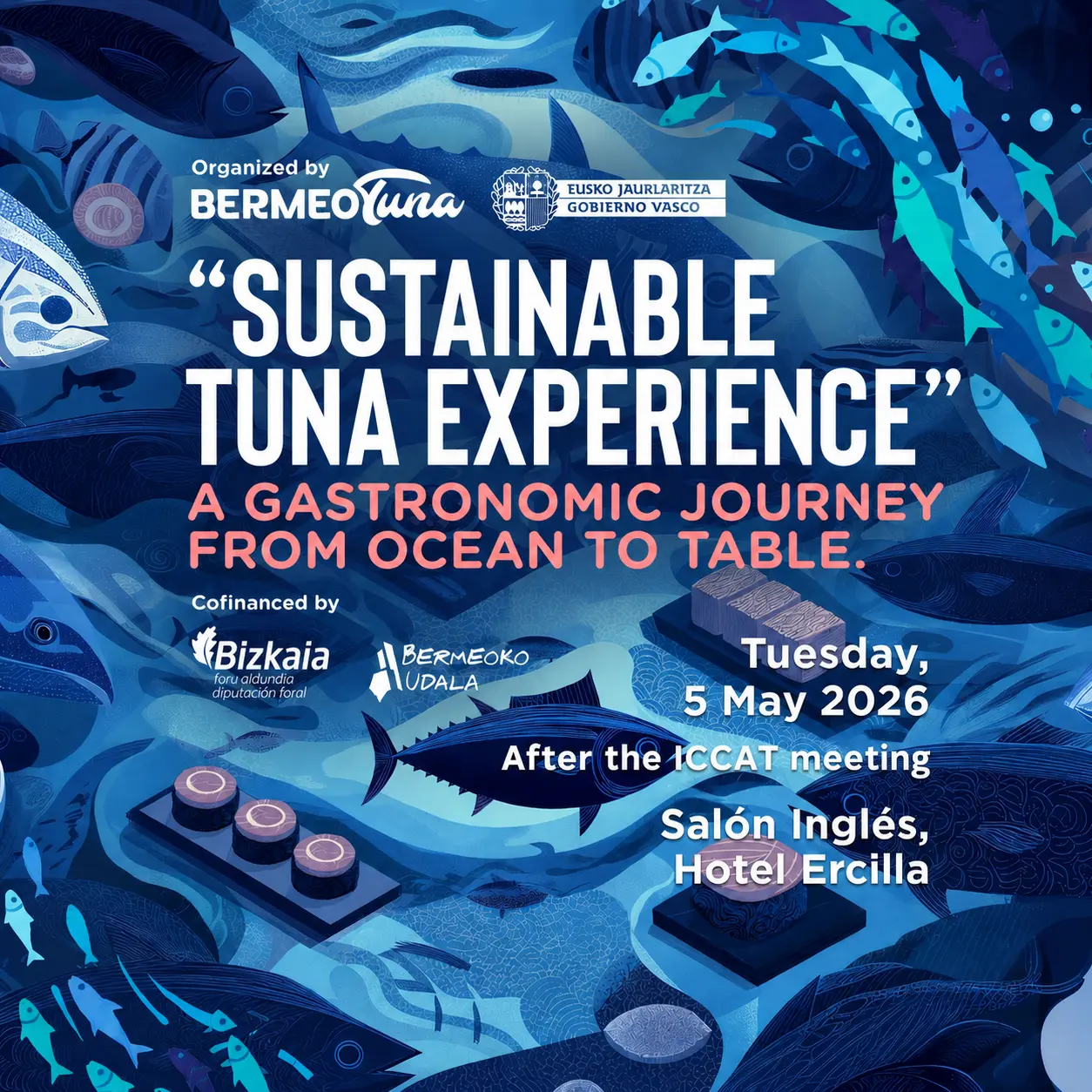
An ‘ocean-to-table’ experience that combines gastronomy, culture and sustainability to showcase Bermeo Tuna’s comprehensive tuna value chain model: traceability, shared responsibility, and environmental, social and economic commitment.
The tuna sector is a strategic industry for the Basque Country, not only because of its historical significance and deep-rooted presence in the region, but also due to its capacity to generate employment, economic activity and industrial development throughout its entire value chain. However, prior to this project, there was no comprehensive assessment capable of rigorously measuring its economic and social contribution across the different areas in which it operates.
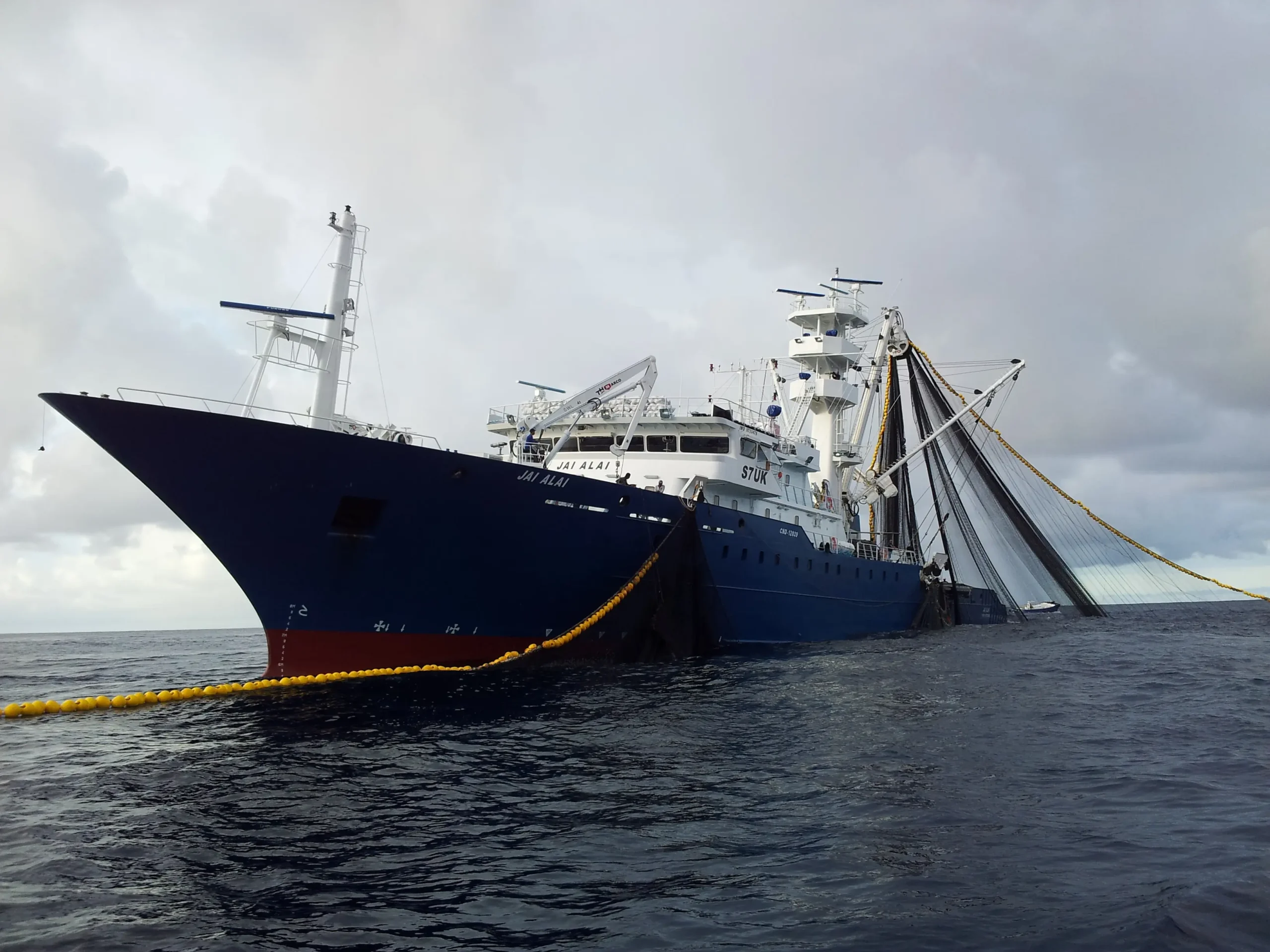
With the aim of providing objective and evidence-based knowledge about the true scale of the sector, Bermeo Tuna World Capital promoted this study in collaboration with AZTI, a leading technology and research centre specialising in marine and food sciences. The study was conceived as a tool to analyse and highlight the impact generated by the frozen tuna industry, from fishing activities through to the processing and commercial operations linked to the sector.
This research marked an important milestone, becoming the first comprehensive analysis of the economic impact generated by the entire frozen tuna value chain. It provided a complete overview of the sector’s contribution to economic development and employment in the Basque Country, across Spain, and in the areas where it operates.
Through this project, Bermeo Tuna World Capital reaffirms its commitment to generating knowledge, promoting rigorous information and strengthening the social and institutional recognition of a sector that plays a key role in the blue economy and in the international projection of the Basque Country.

The value chain of the Basque tuna freezer sector employs 3,100 people and has an economic impact of 924 million euros in the Basque Country, according to research carried out by the Bermeo Tuna World Capital Association (BTWC), with the collaboration of the AZTI technology centre.
The analysis, based on official data for 2015, 2016 and 2017, focuses on tropical tunas belonging to the bigeye (Thunnus obesus), yellowfin (Thunnus albacares) and skipjack (Katsuwonus pelamis) species, the three species that make up the majority of the catches of the tuna freezer fleet. These species reach the consumer mainly in the form of canned tuna and light tuna.
M€
M€
According to the research, Basque companies in the sector generate an economic impact of 1,969 million euros per year in the world, of which 924 million have a direct impact on the BAC (448 million in fishing and 476 million in transformation).
In addition, Basque tuna freezer companies generate 29,117 direct and indirect jobs, of which 3,100 remain in the BAC, while the rest are distributed in different parts of the world.
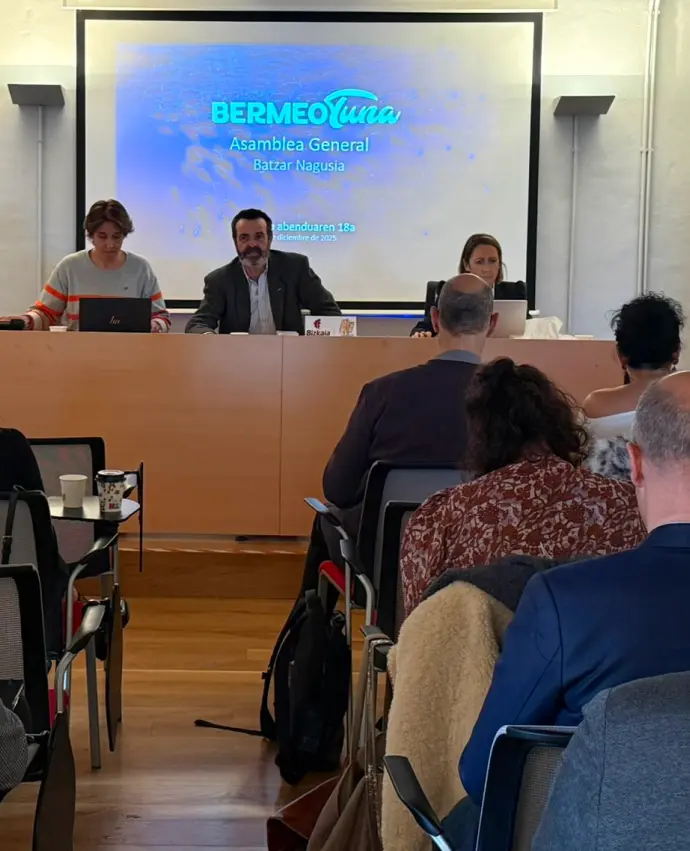
The document, which is the first study to analyse the economic impact of the value chain of the tuna freezer sector at a state, regional and local level as a whole, was presented in Bilbao in November 2019.

An ‘ocean-to-table’ experience that combines gastronomy, culture and sustainability to showcase Bermeo Tuna’s comprehensive tuna value chain model: traceability, shared responsibility, and environmental, social and economic commitment.
A tour of local bars and restaurants where you can enjoy tuna and northern bonito in pintxo form, with a guarantee of responsibly sourced, sustainably caught fish and the quality of the season’s star product.