


Bermeo Tuna Forum 2027 · 

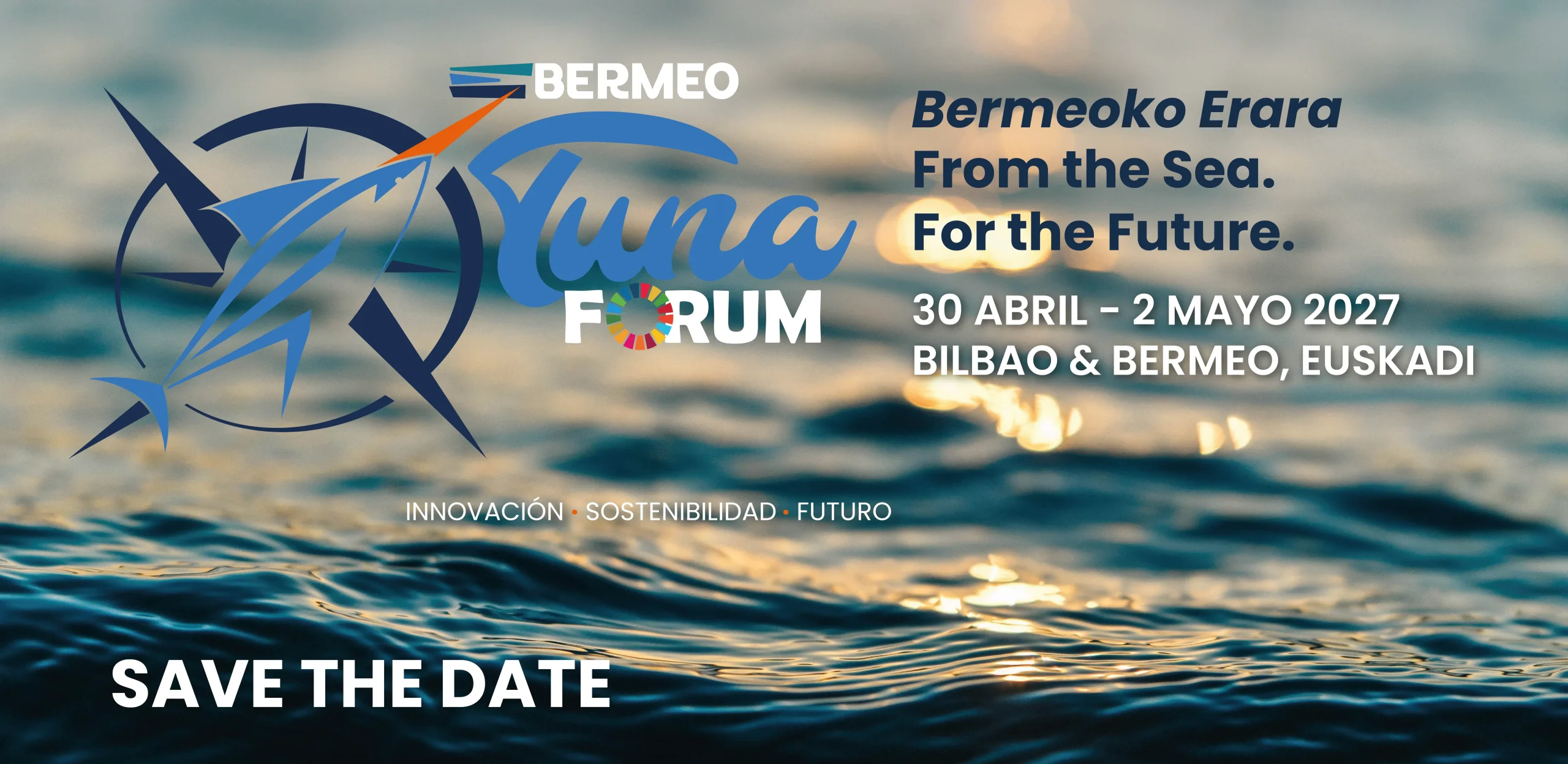
April 30 - May 1 and 2 

00

Days Day

00

Hours Hour

00

Minutes Minute

Home » International Tuna Sustainability Declaration

International Tuna Sustainability Declaration

International Declaration on Tuna Sustainability

A framework of shared commitments to protect tuna and its ecosystems, strengthening environmental, social, and economic sustainability throughout the value chain.

What's at stake

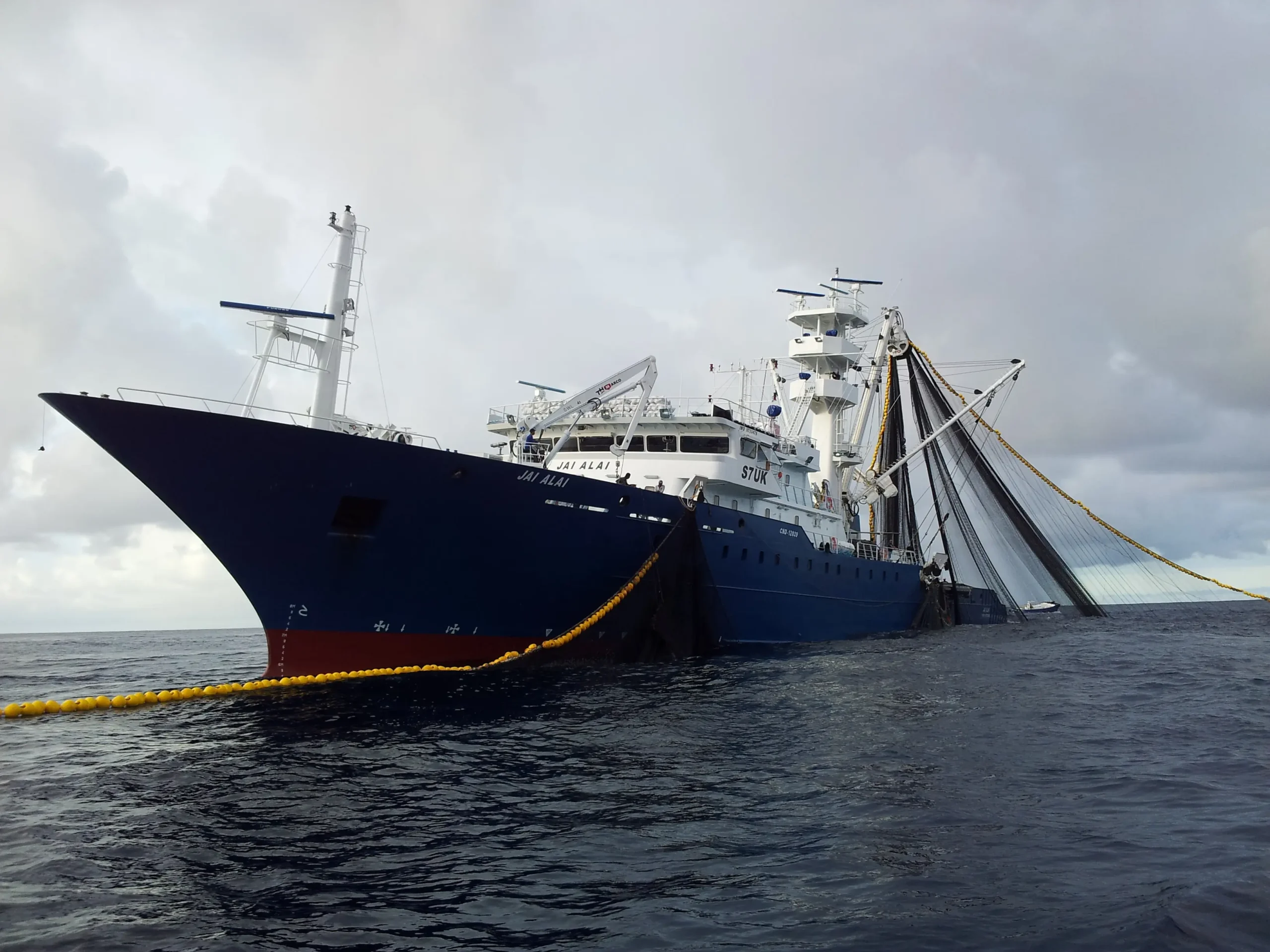
Tuna is essential to the food supply, economy, and livelihoods of many communities. Global demand is growing, and there is very limited room to increase catches if we want to maintain sustainable fishing practices. At the same time, risks persist that threaten the sector in the long term: overfishing, illegal, unreported, and unregulated (IUU) fishing, deteriorating working conditions, and environmental impacts.

We need cooperation and verifiable commitments to protect this strategic resource and the ocean on which it depends.

A shared commitment

An initiative promoted by Bermeo Tuna to gather commitments from public, private, and social stakeholders with a real capacity for global impact on the tuna value chain. It is aligned with the 2030 Agenda and especially with SDG 14 (Life Below Water).

The Declaration is aimed at stakeholders with the capacity to transform the tuna value chain, including:
  • Fishing sector and value chain companies
  • Public administrations and institutions
  • Scientific community and technical organizations
  • Social entities and cooperation agents

Key commitments

1.

Comprehensively address tuna sustainability, recognizing the environmental, social, and economic characteristics of the fisheries and the people involved in their management and explotation.

2.

Promote social standards and the improvement of the labor rights of all people involved in the tuna value chain, with particular attention to the fishermen and fisherwomen.

3.

Promote gender quality in all stages of the tuna value chain, ensuring that women have access to equal working conditions, as well as decision-making spaces.

4.

Support small-scale and responsible fishing communities, promote the participation of local communities in decision making spaces, the distribution of profits, and respect for local social-cultural processes.

5.

Promote the nutritional value of tuna as a healthy food source.

6.

Foster the consumption of responsibly and sustainably caught tuna. As well as encourage accurate notification of catches and accurate weighing of all species in tuna fisheries.

7.

Ensure full traceability of all catches in tuna fisheries from the net to the plate by implementing digital tools that will guarantee the traceability of all commercial transactions, thus avoiding fraud and the entry of illegal fish into legal commercial circuits.

8.

Foster the compulsoriness of reporting all catches and discards by species and origin (flag of fishing vessel, fishing area, and country of processing) of the fish on all products, above all on canned and frozen products.

9.

Efficiently regulate tuna fisheries management and exploitation and enforce rules in order that no catches in tuna fisheries result from illegal fishing practices, both in terms of environmental standards and social- cultural and labor standards reach the legal commercial market.

10.

Promote sustainability certifications, and good management and exploitation practices, including those aiming at reducing by-catches in tuna fisheries, in the entire tuna value chain.

11.

Improve governance systems and transparency and ensure effective and efficient control monitoring and surveillance, including proper enforcement to meet the sustainability objectives and to fight against illegal fishing, including with the use of remote electronic monitoring and CCTVs.

12.

Facilitate and promote collaboration between the scientific and fishing communities.

13.

Cooperate to improve information and data, to increase scientific knowledge, research capacity, and technology transfer in maritime fishing matters.

14.

Minimise negative impacts on the environment and people throughout the tuna value chain.

15.

Protect and preserve the marine environment and its living resources against pollution and environmental degradation.

Join Bermeo Tuna
Join the global alliance for sustainable tuna!

If your company and its business, environmental, and sustainability policies align with Bermeo Tuna’s values, join this global network working toward healthier oceans, responsible fishing, and a fairer, more sustainable future for the entire value chain of the tuna and northern albacore industry.

Conoce otras iniciativas