

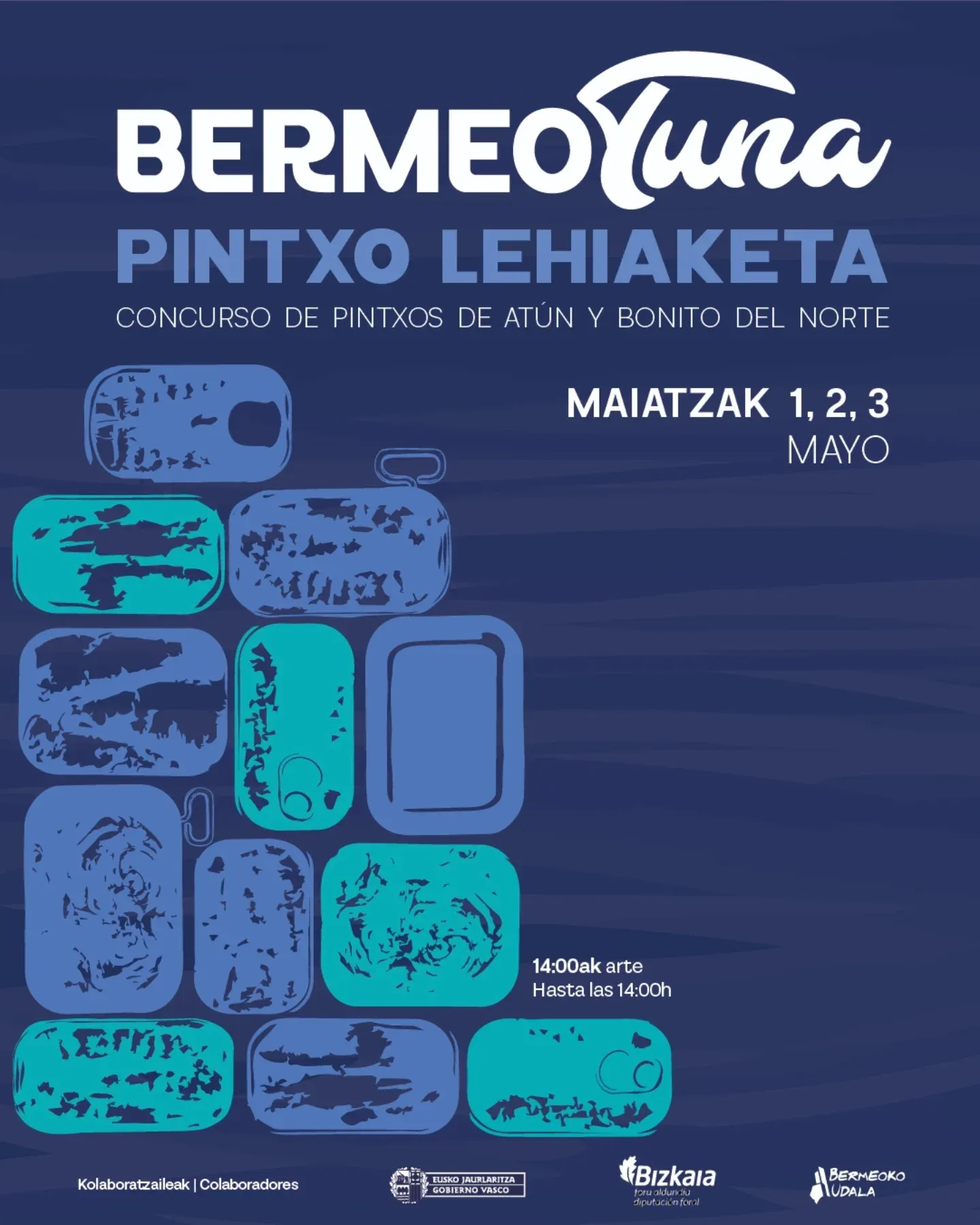
Bermeo Tuna Pintxo Lehiaketa
A culinary competition to celebrate World Tuna Day (2 May) and showcase sustainable tuna and northern bonito from Bermeo: tradition, innovation and flavour in the town’s bars.

Bermeo Tuna Forum 2027 ·
April 30 - May 1 and 2
Days Day
Hours Hour
Minutes Minute
seconds second

An annual event in Bermeo where the fishing and canning industries showcase their products, flavours and maritime culture, with tastings and activities for all ages. Bermeo Tuna takes part with culinary offerings designed to introduce visitors to tuna in various forms and to learn about its value and sustainability.
This year, Bermeo’s popular Arrain Azoka will be held from May 16 to 18, marking its 31st edition. As every year, companies linked to the fishing industry—primarily local businesses and those in the canning sector—will offer their wide range of products and new offerings over the three days, all guaranteed to be sustainable, exquisitely flavored, and of the highest quality. In addition, there will be various activities in the central tent, product tastings at the different stands, and a charity food court where you can enjoy marmitako and northern bonito during regular lunch hours throughout the three days.
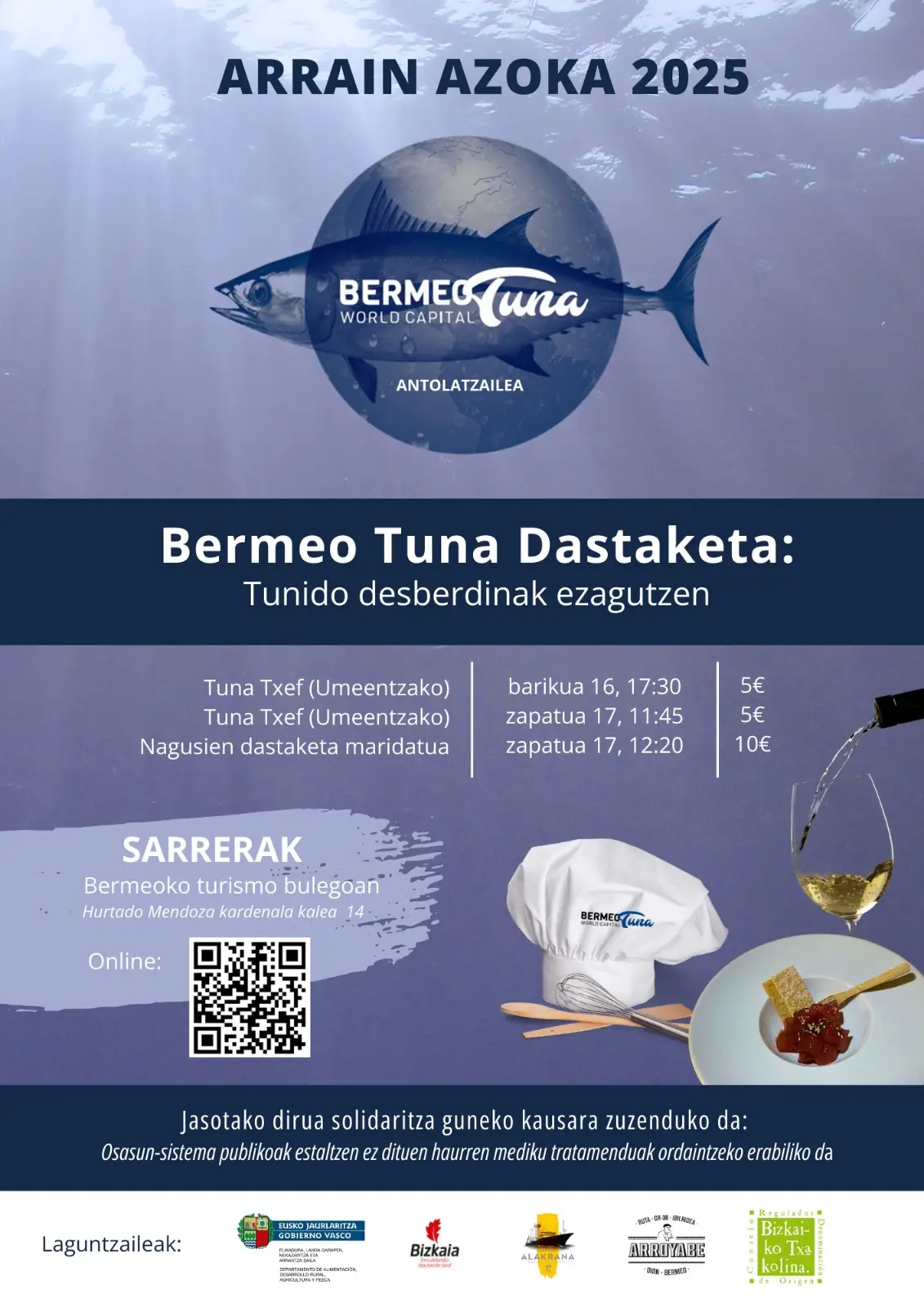
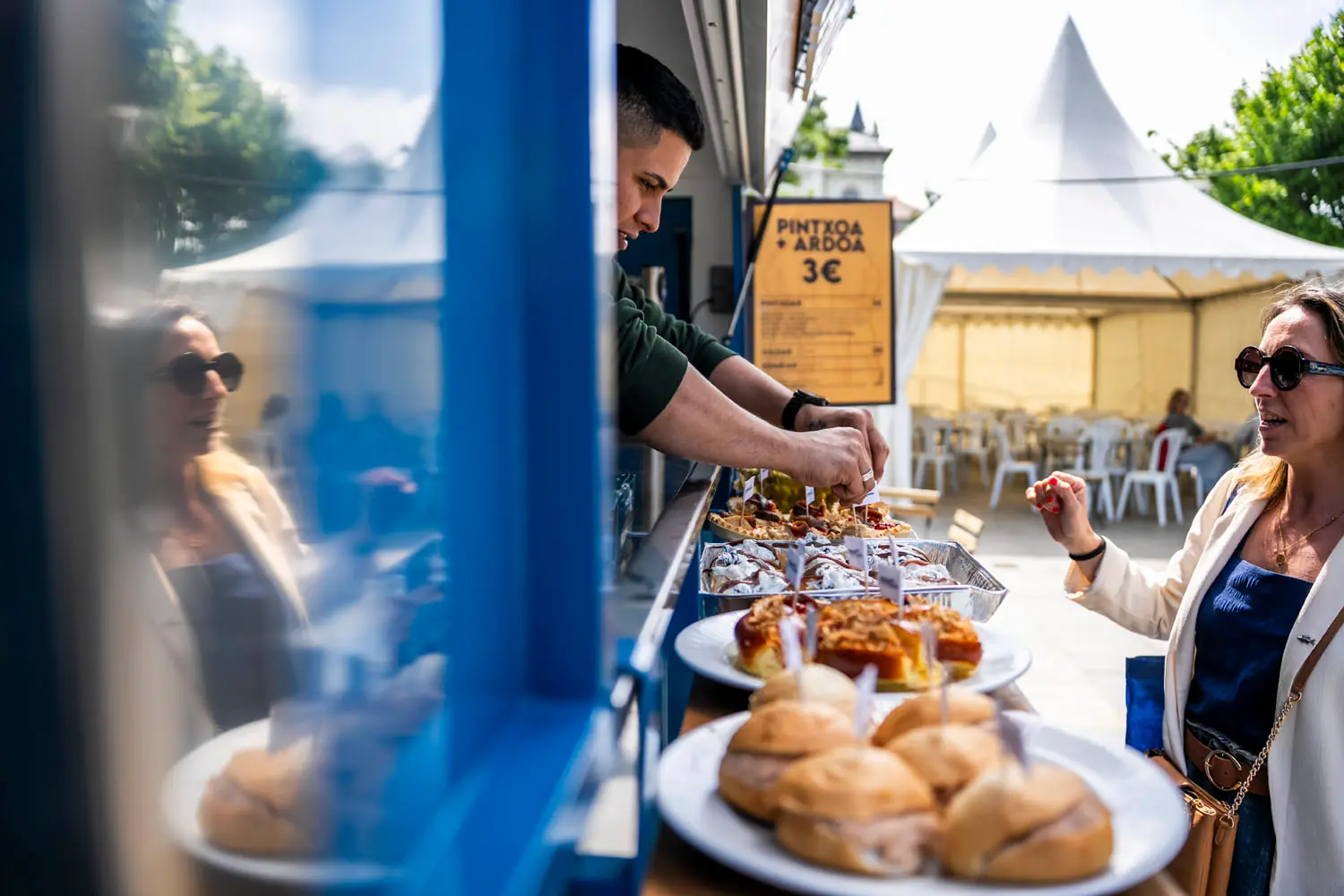
It is important to highlight that the cost of these activities has a charitable purpose, as the money collected from ticket sales will go entirely to the charitable cause of the Arrain Azoka (Fish Fair): it will fund medical treatments not covered by the public health system for children aged 6 to 12 (in Bermeo). Therefore, in addition to enjoying a special eno-gastronomic session and learning about the driving sector of our town, participants in these activities will be contributing to this charitable cause. Thank you very much (eskerrik asko) in advance.
In person: at the Bermeo Tourist Office (Hurtado de Mendozaren Kalea, 14)
Online: at this link.
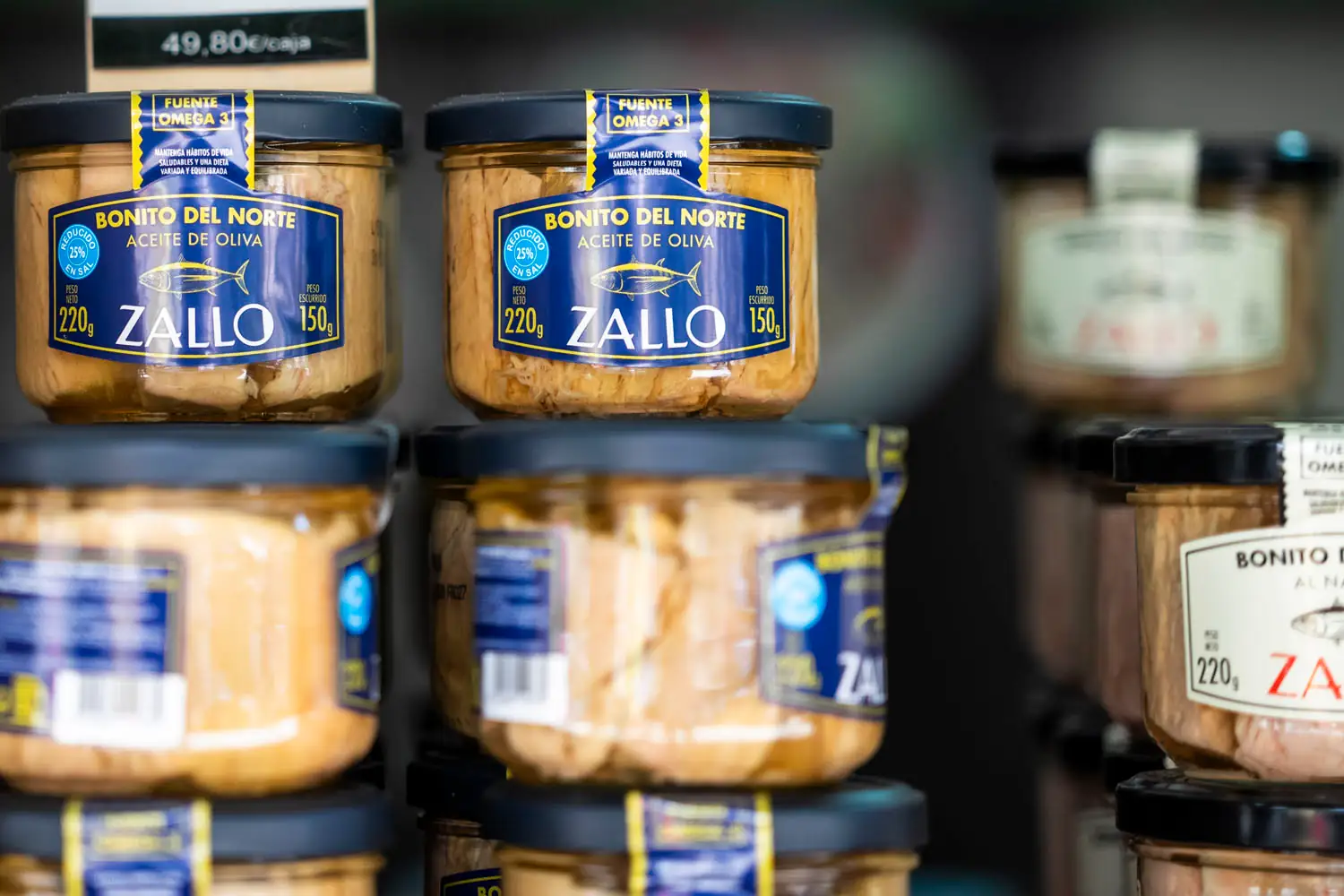
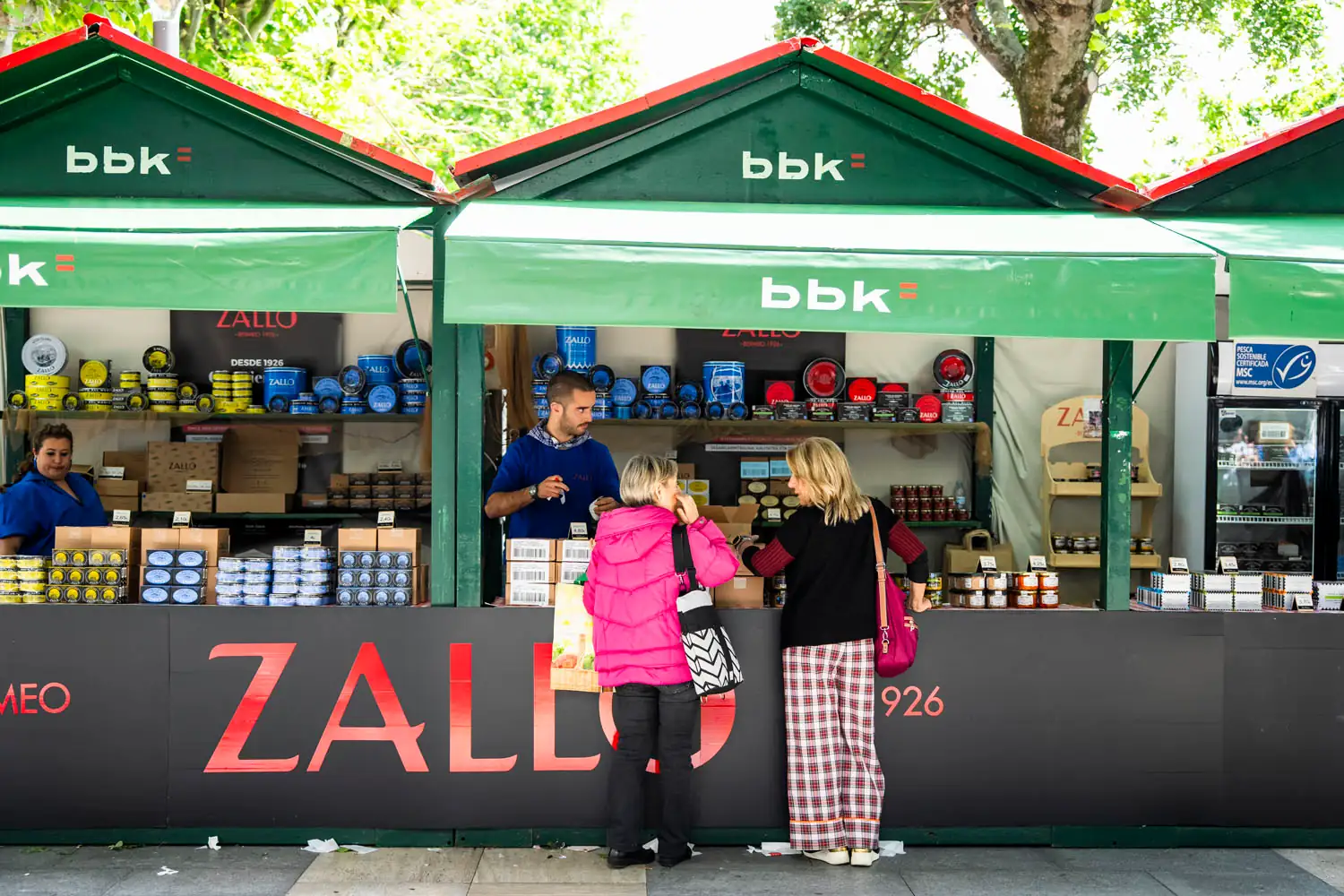
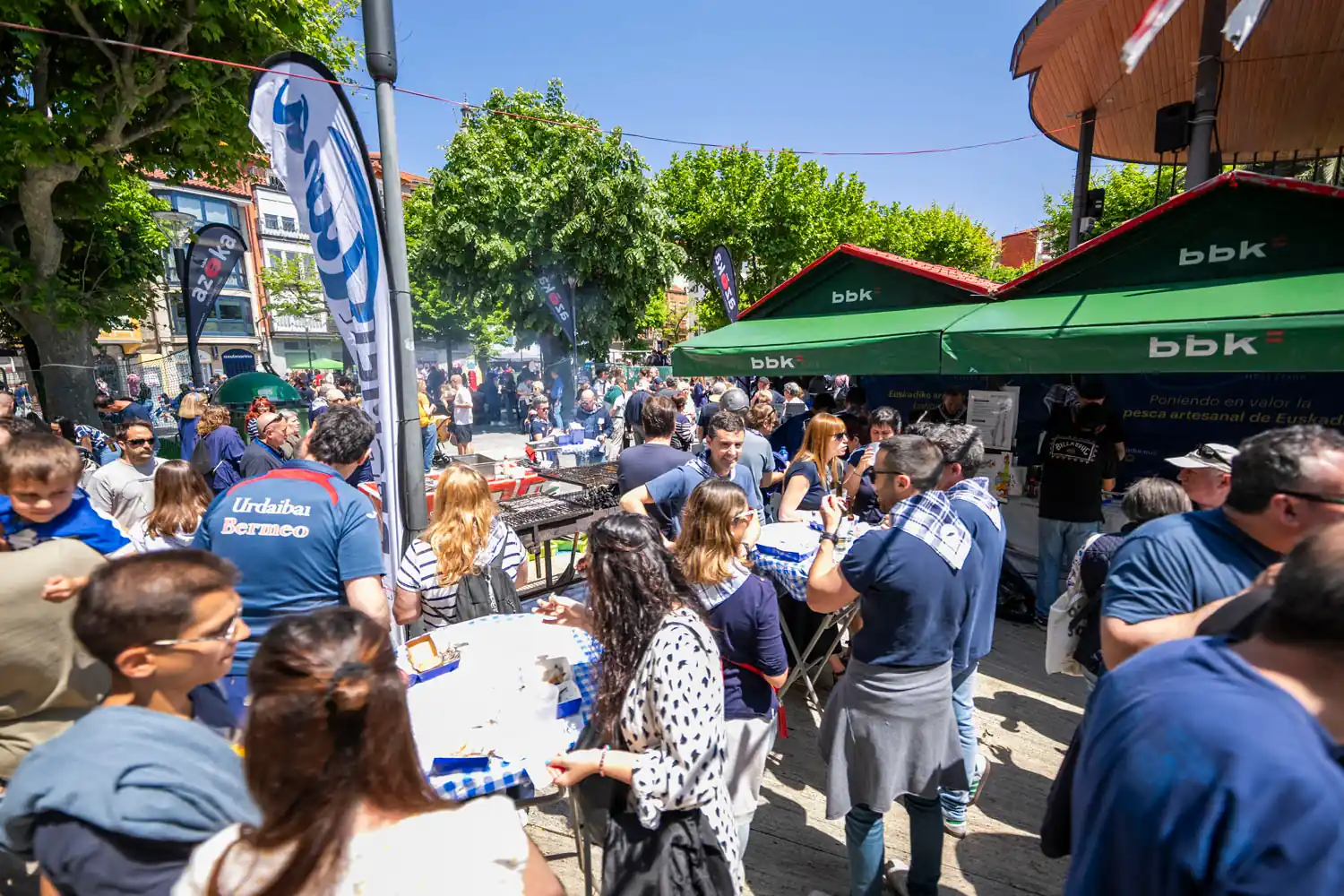
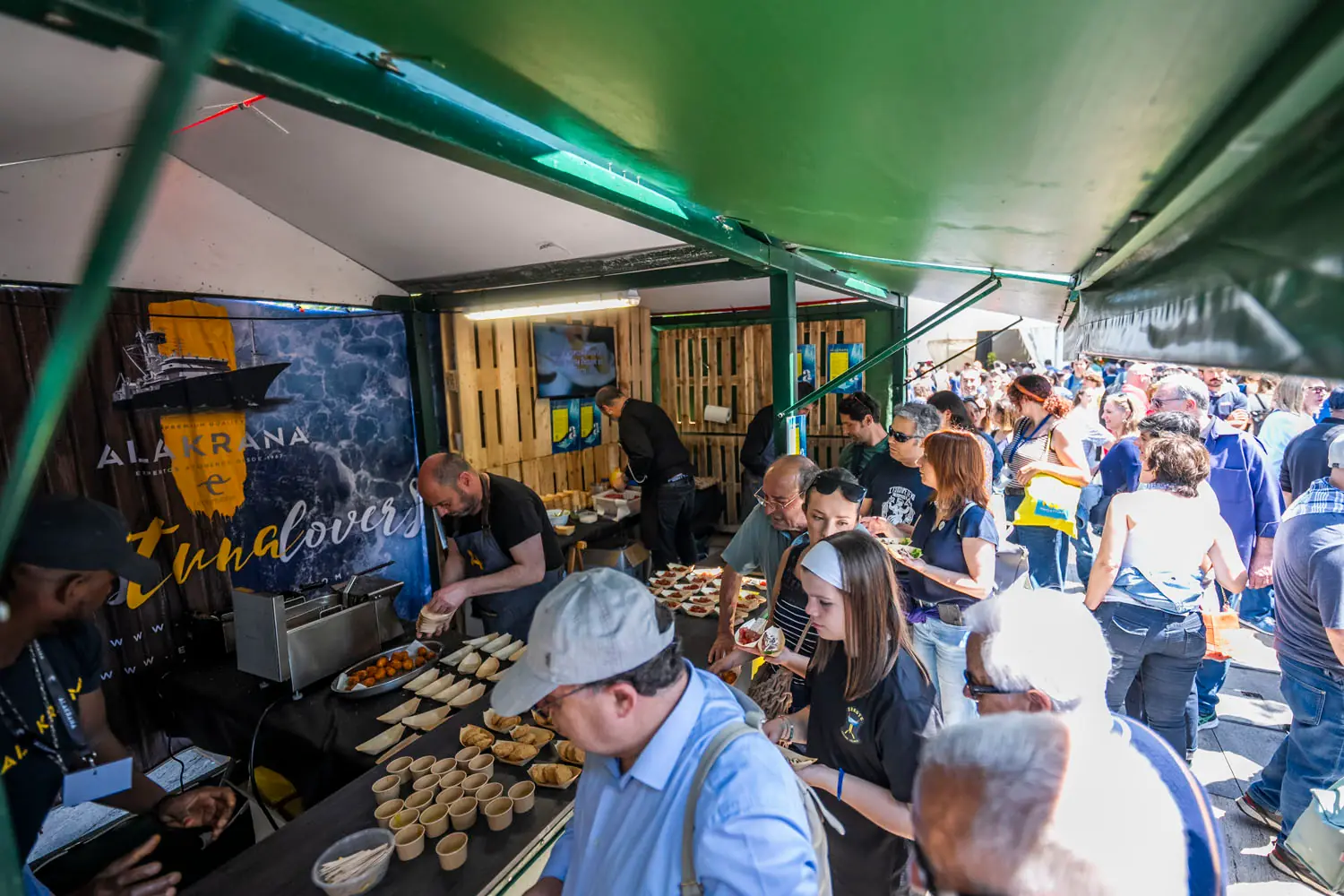
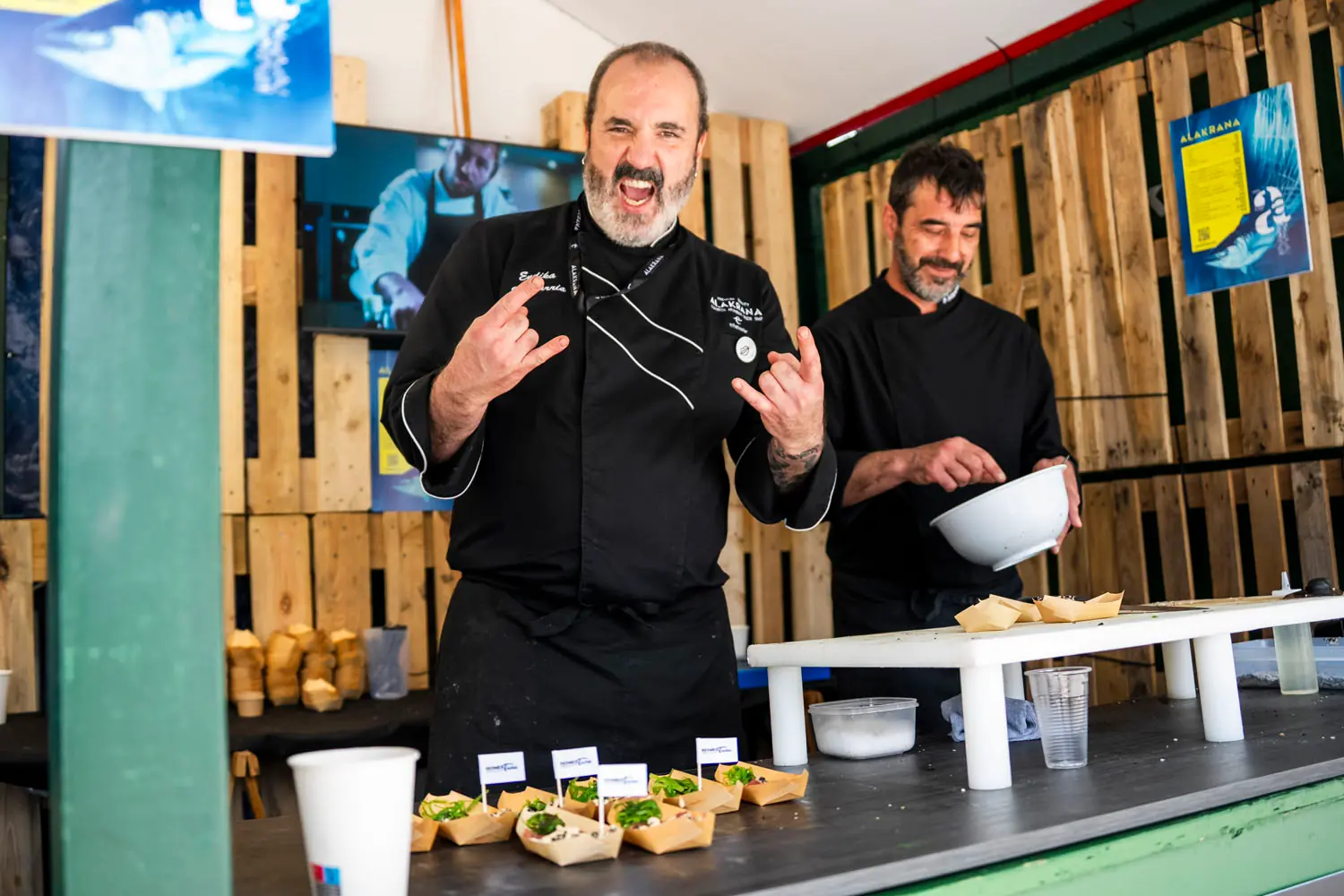
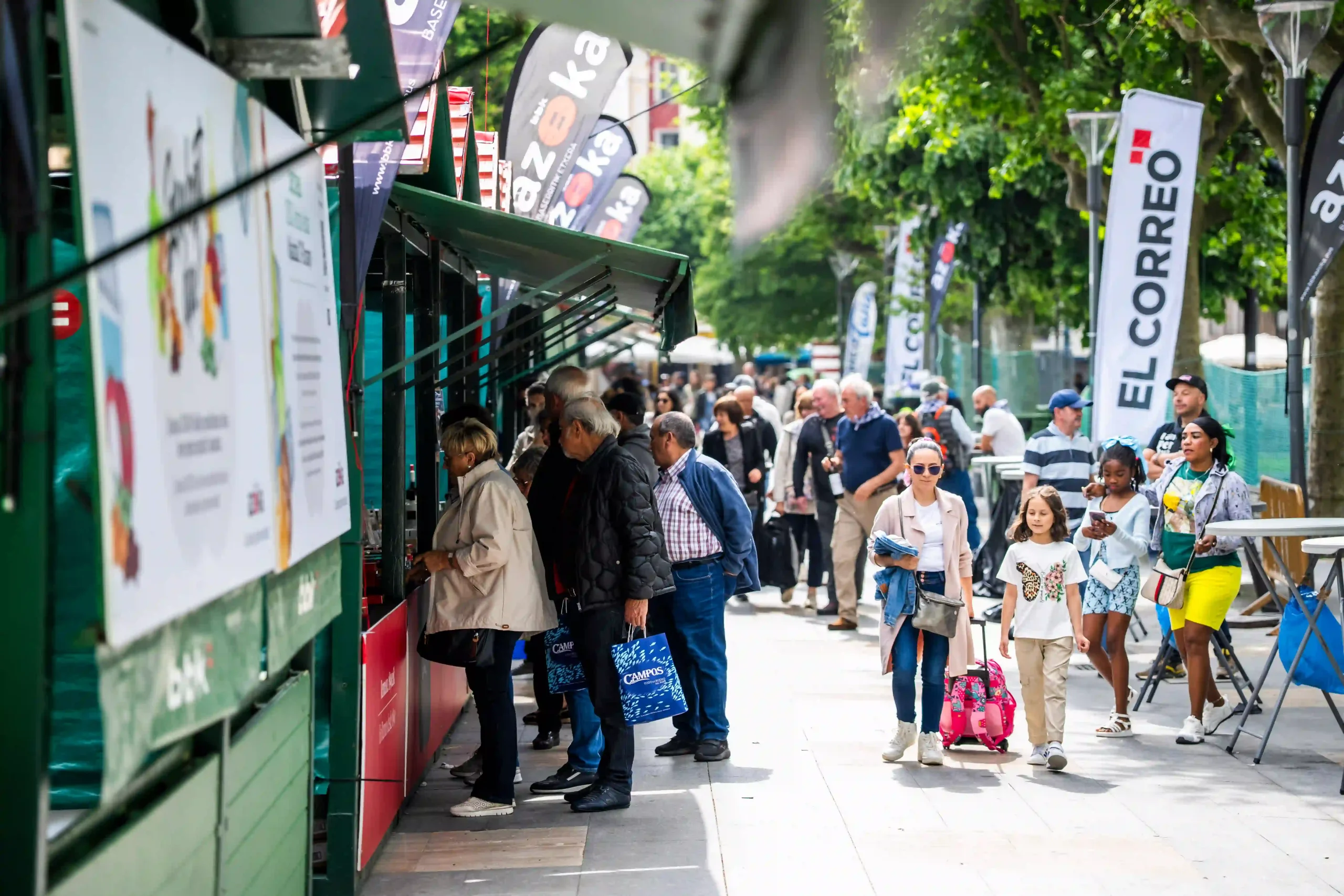
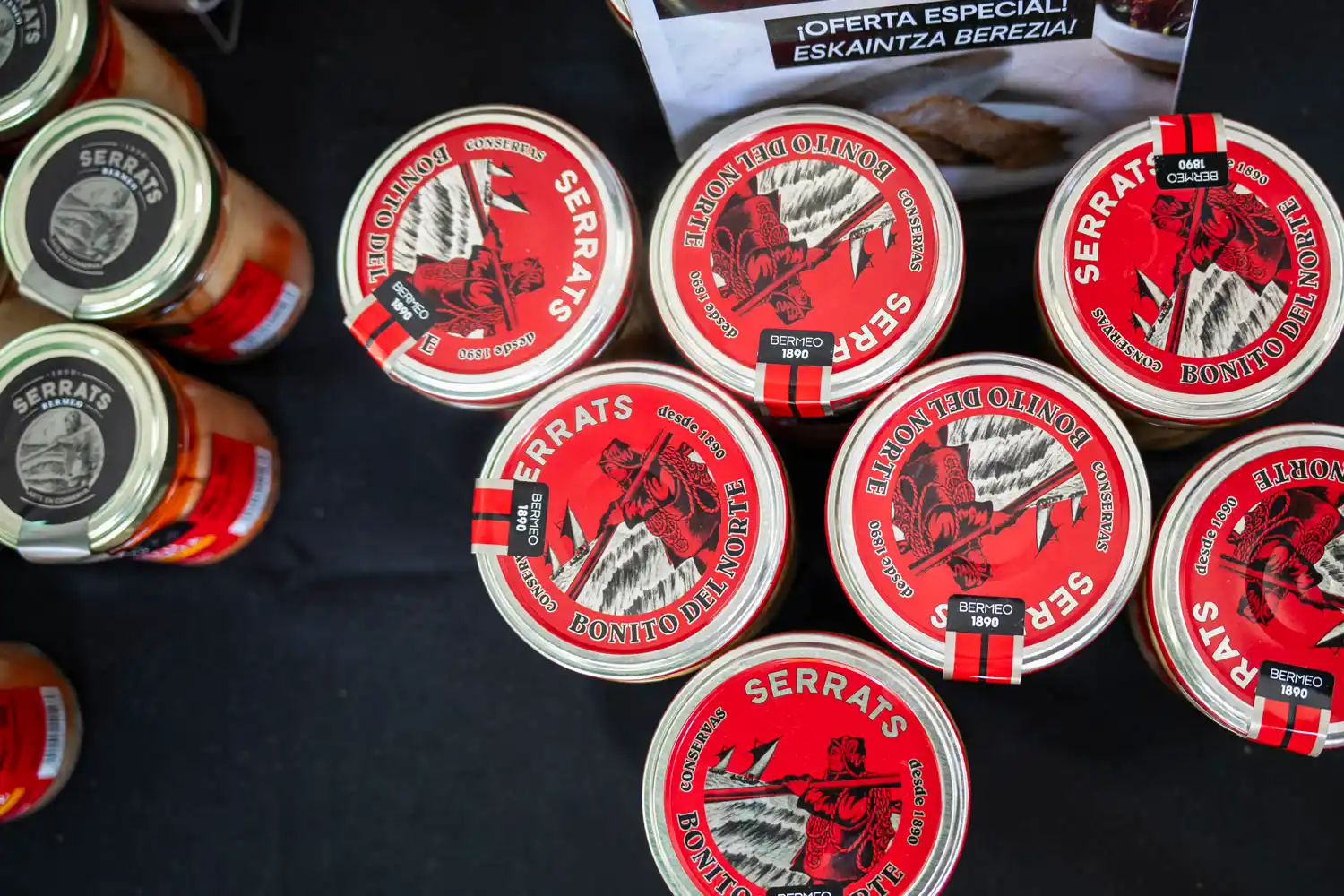

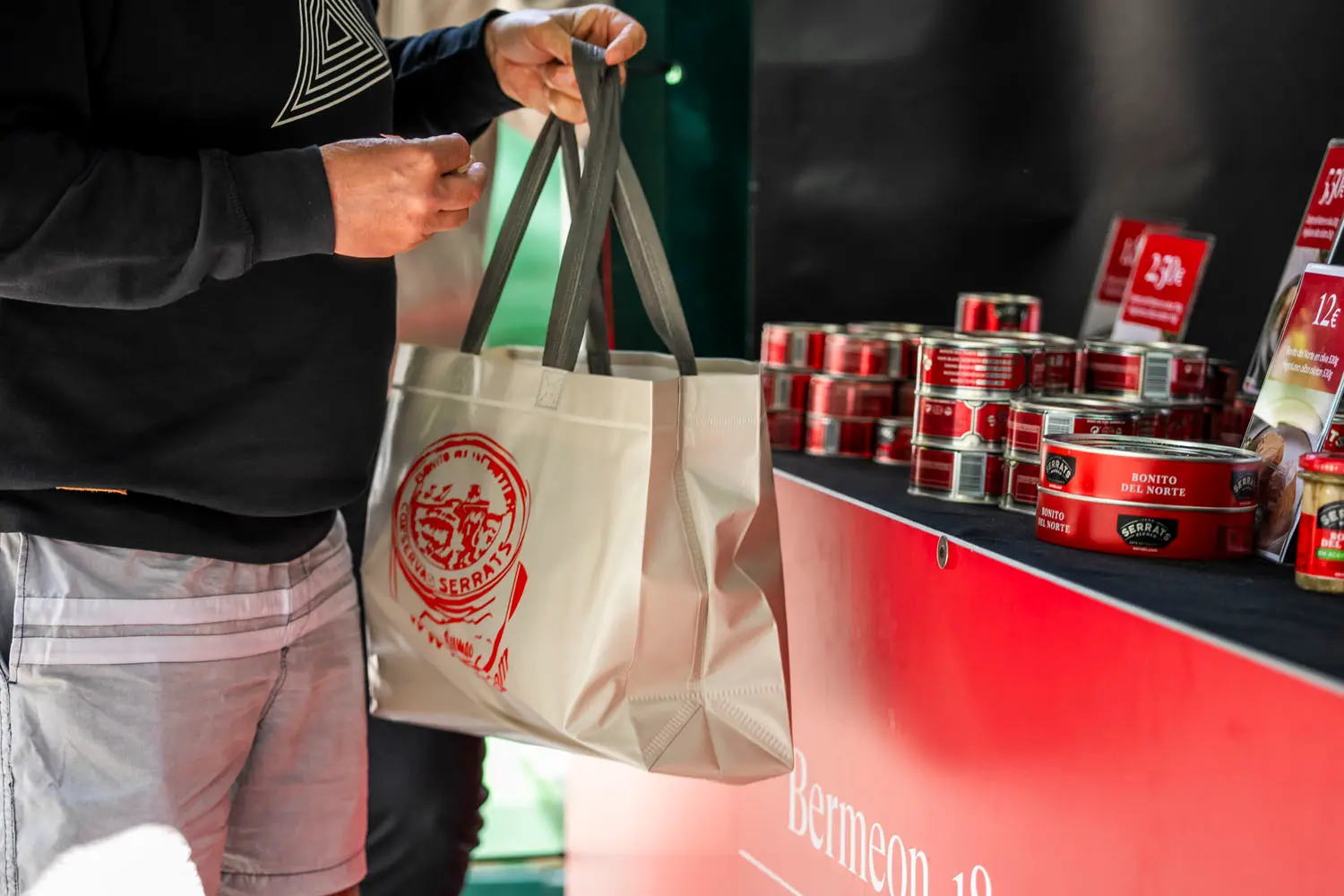
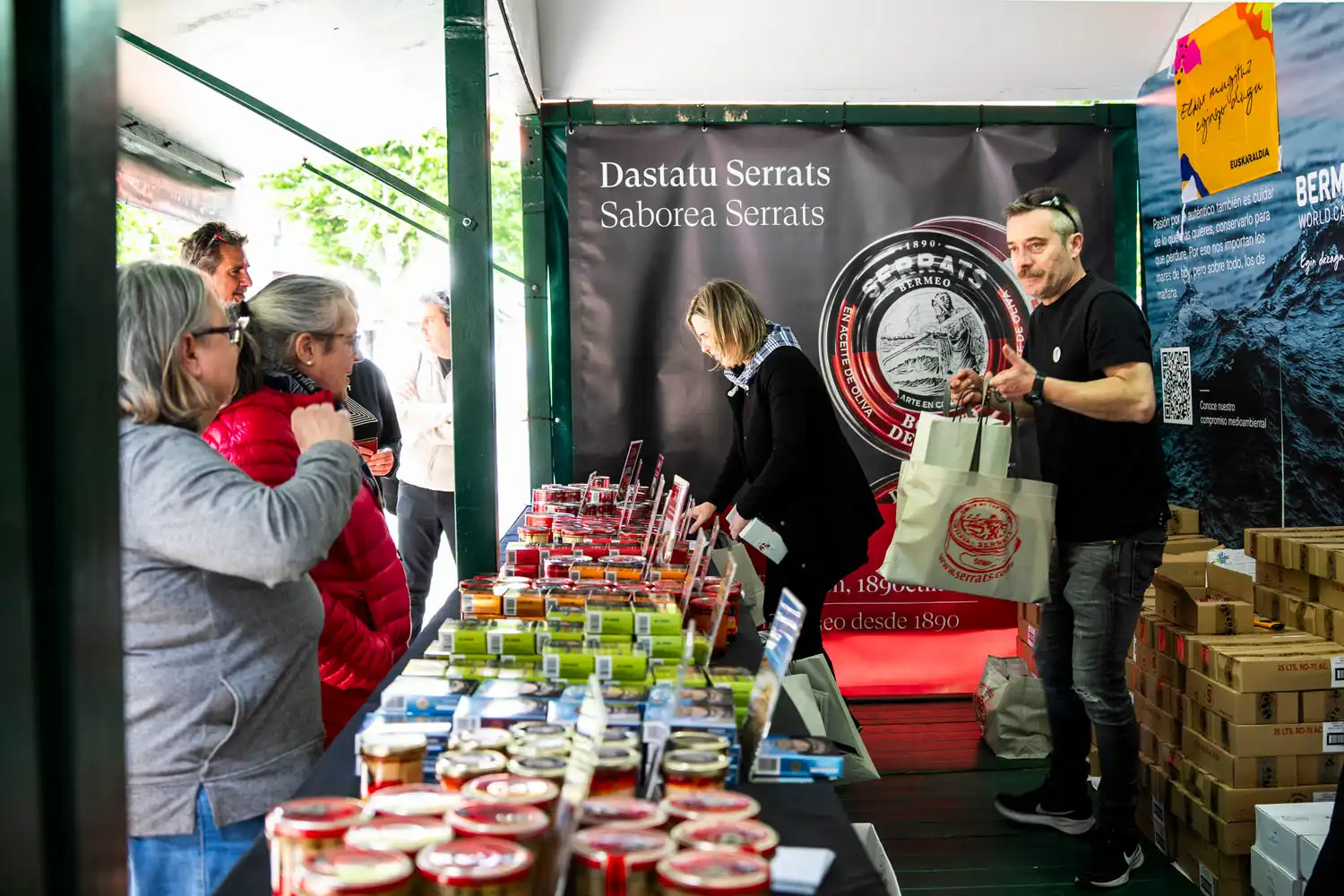
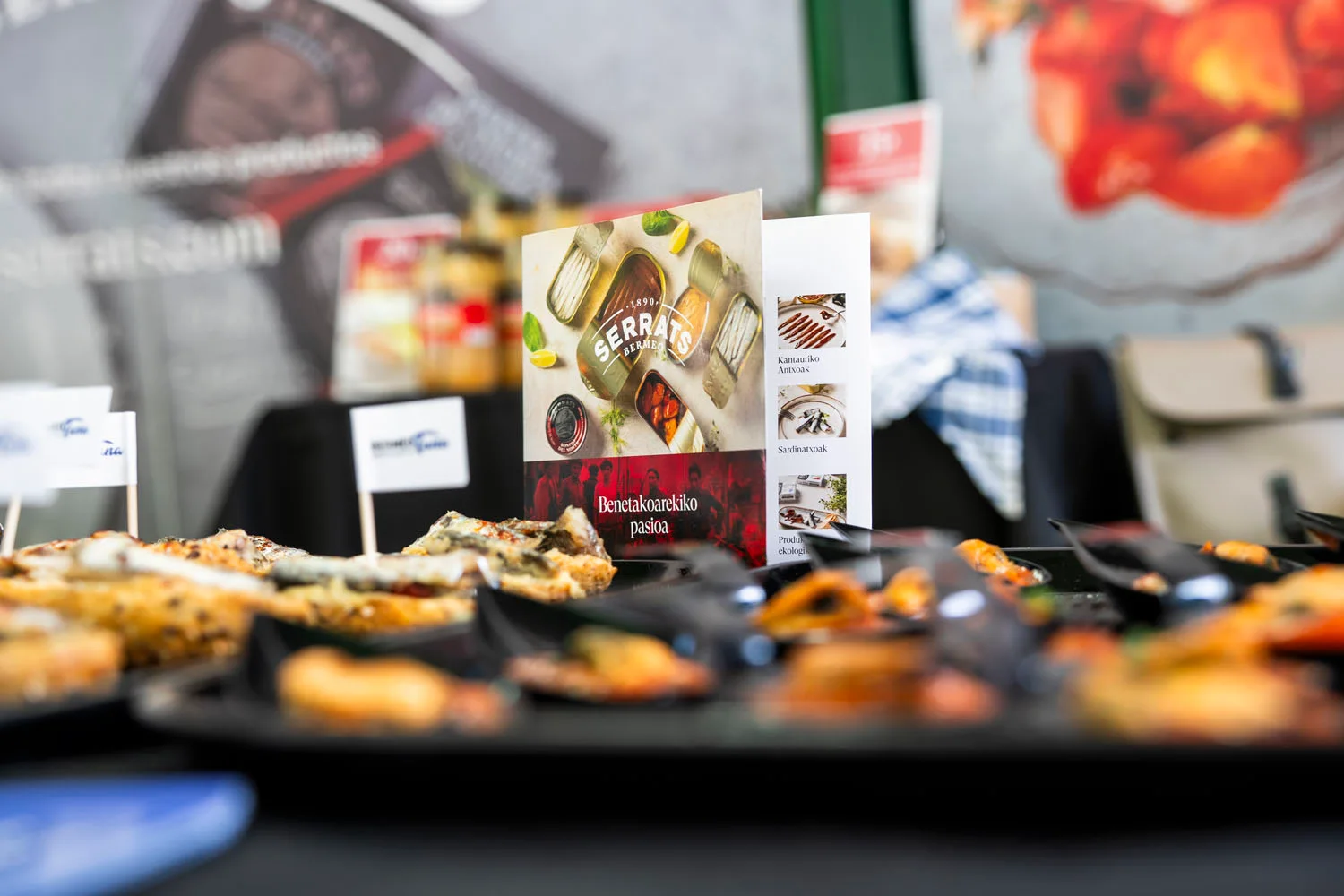
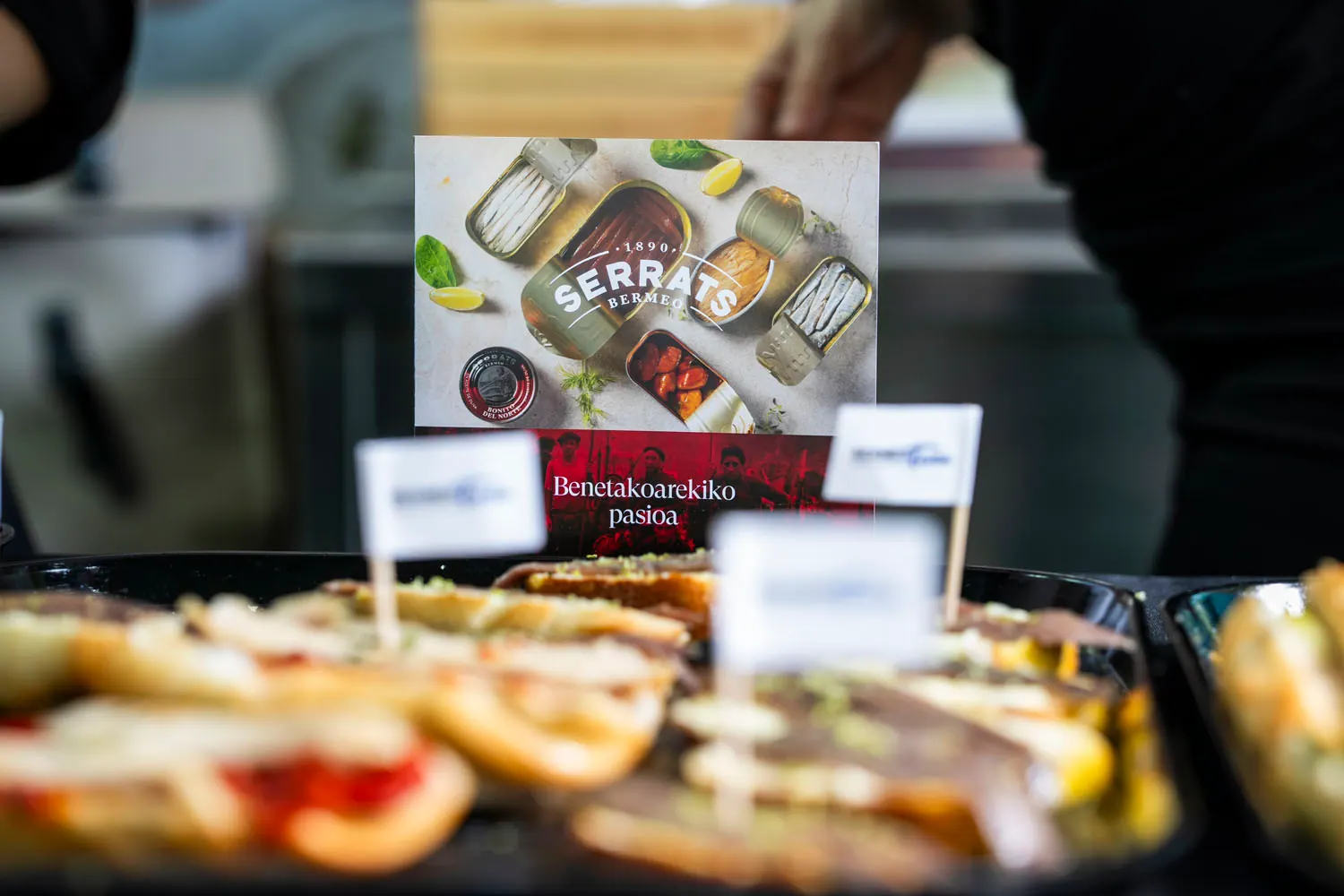
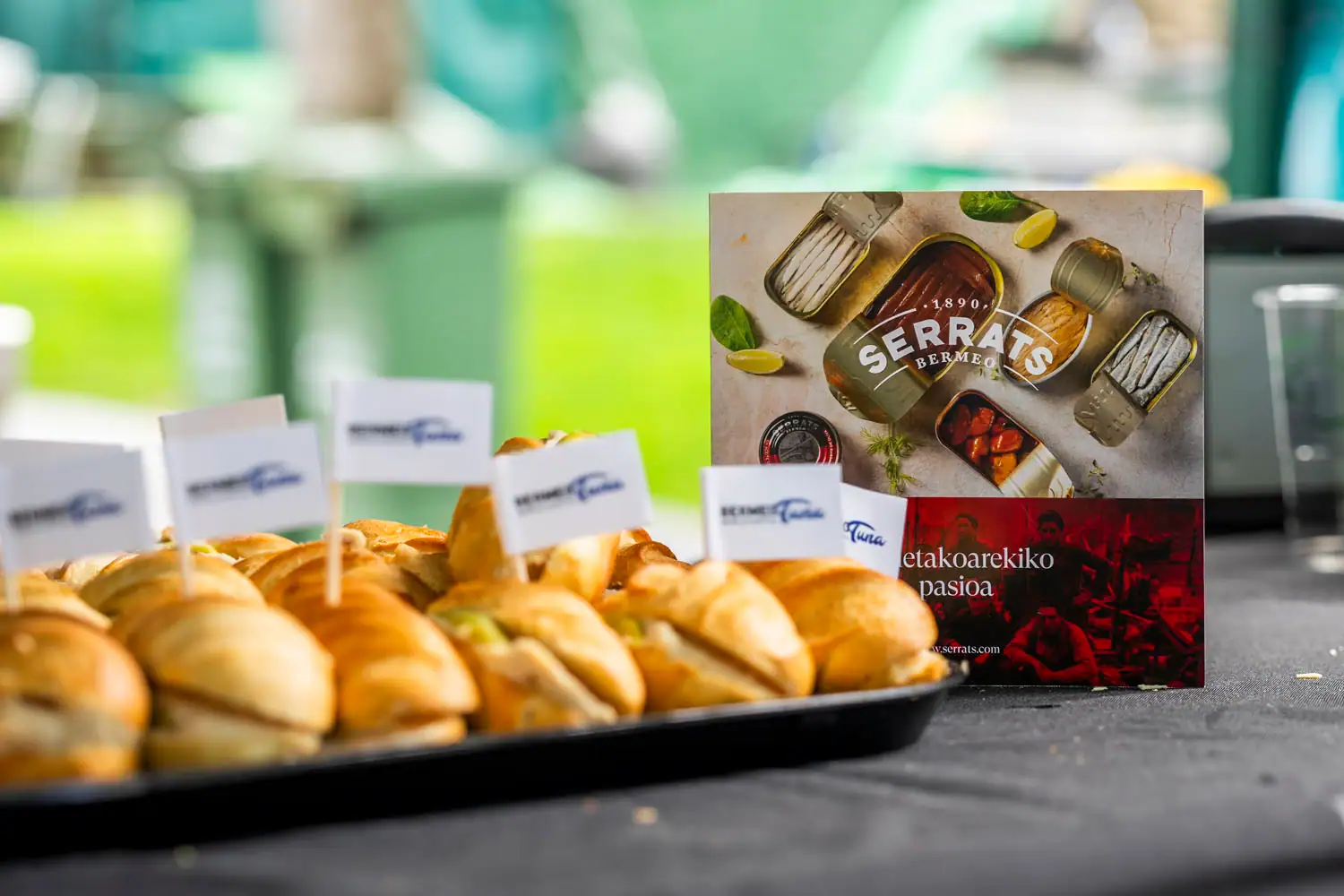
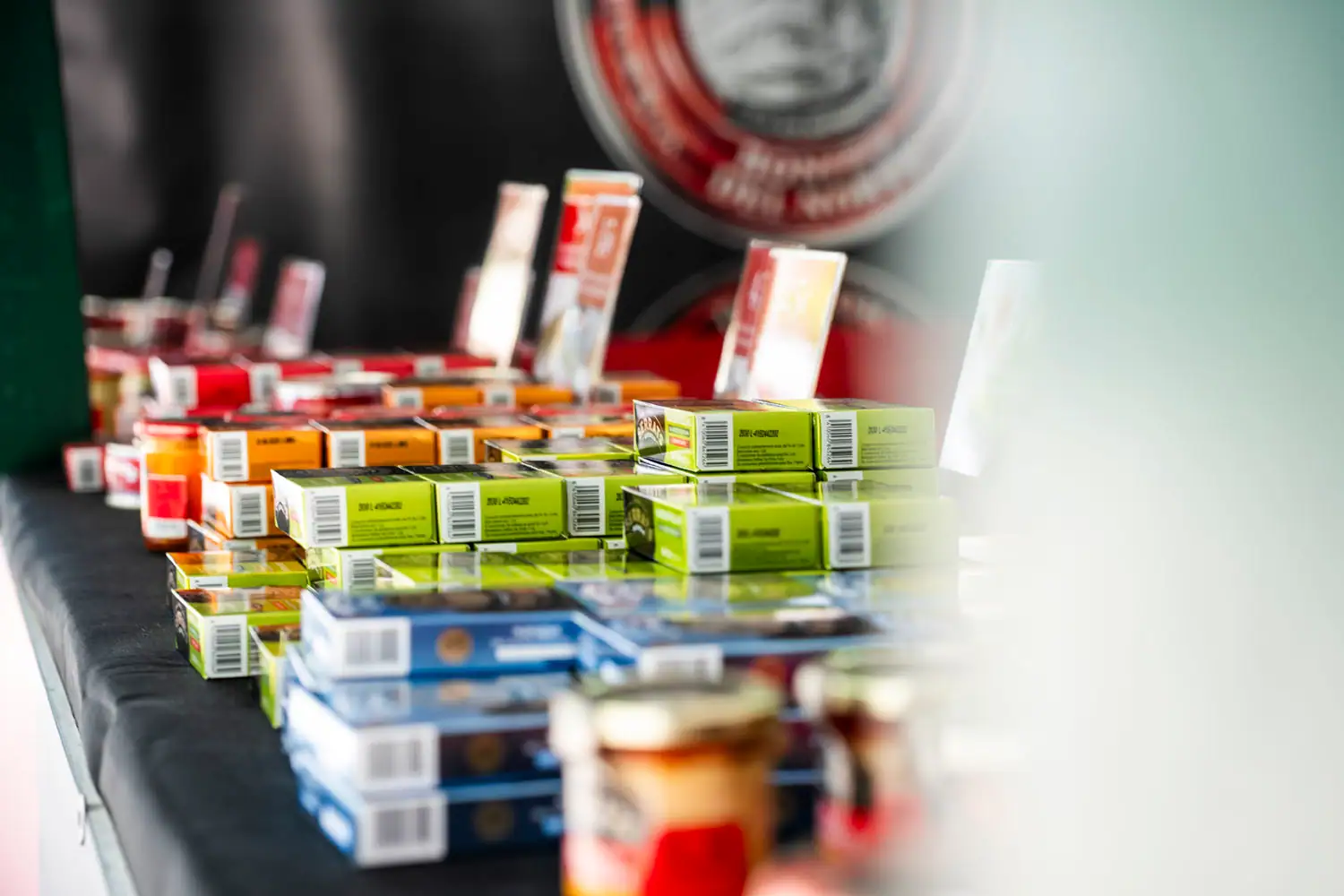
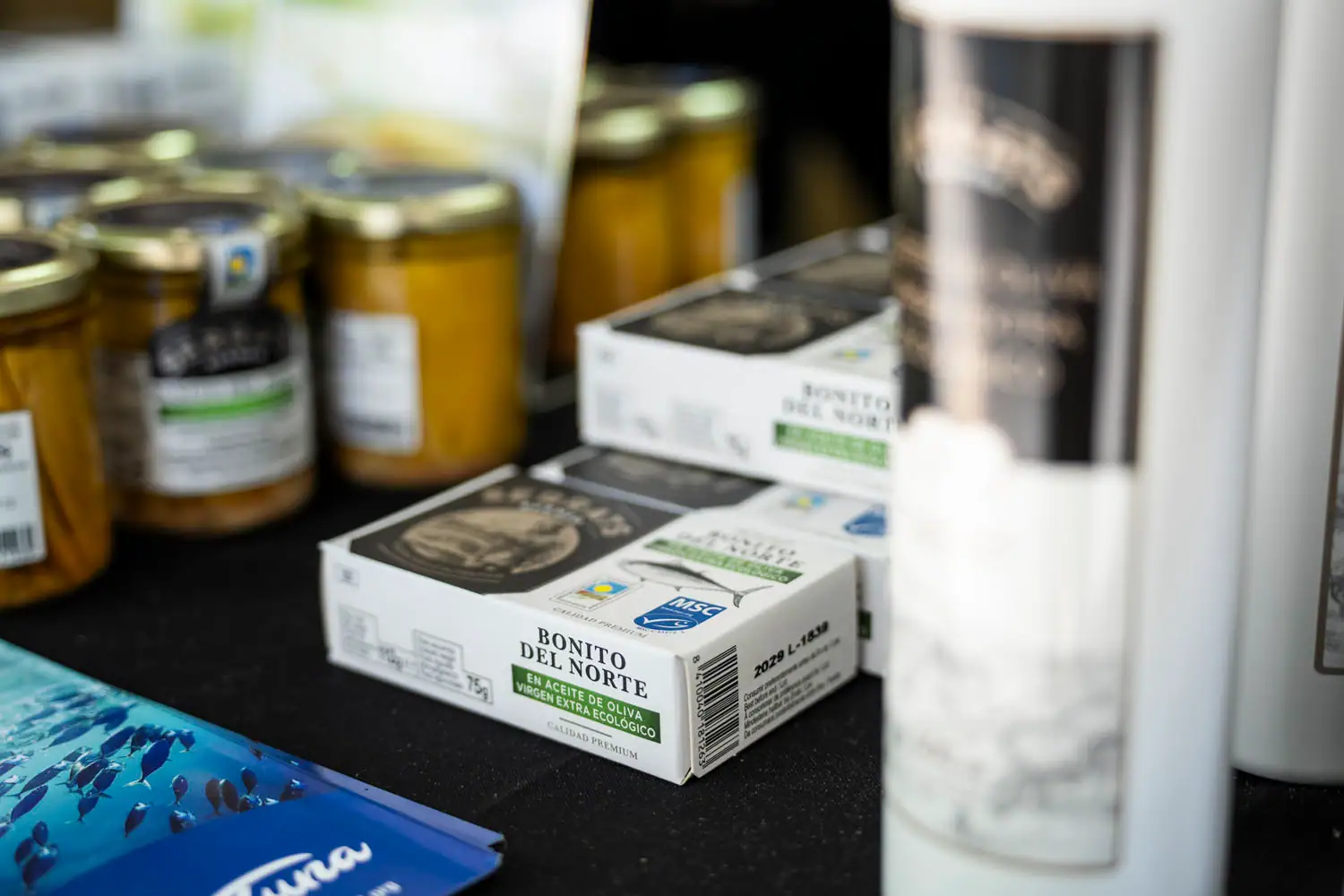
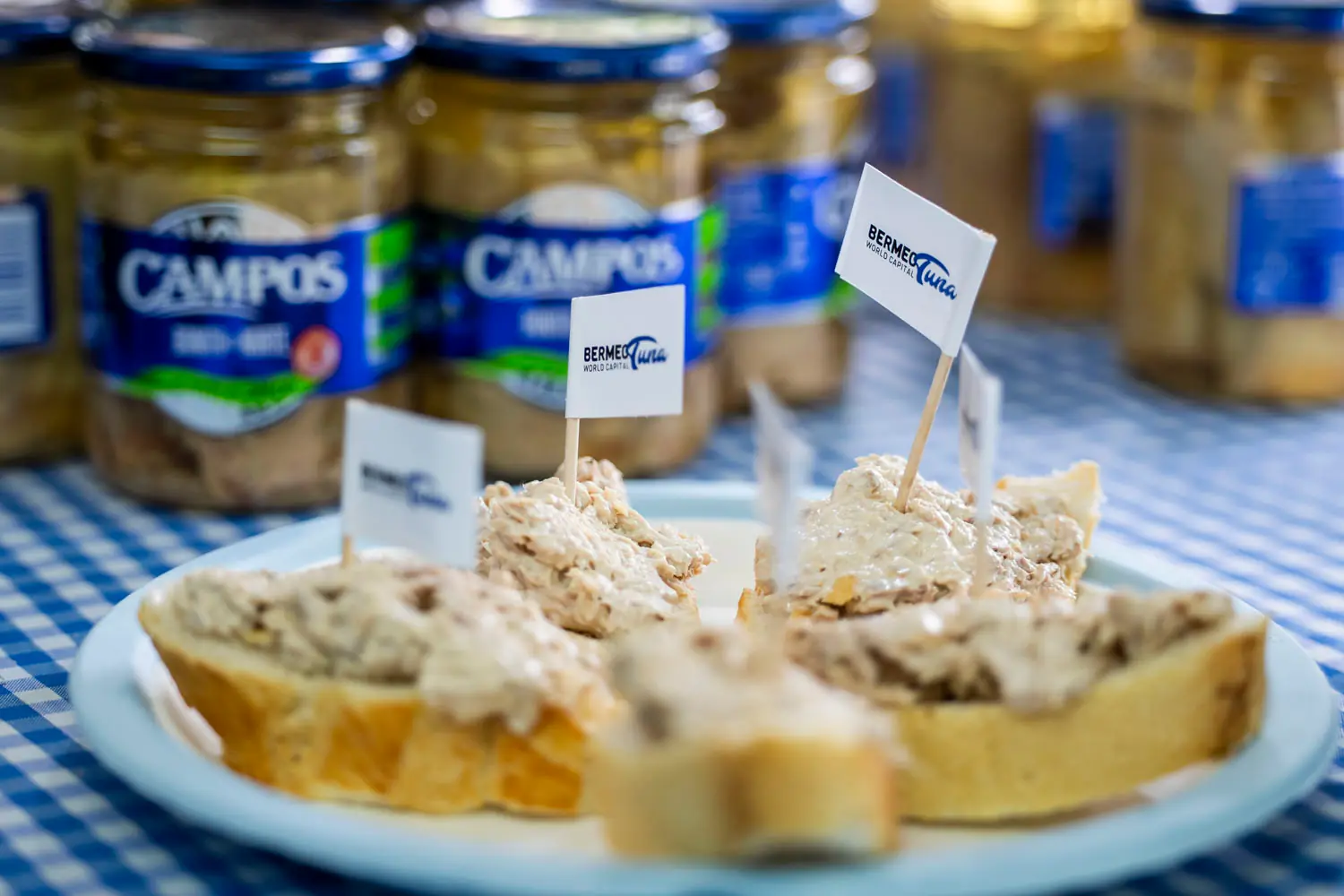
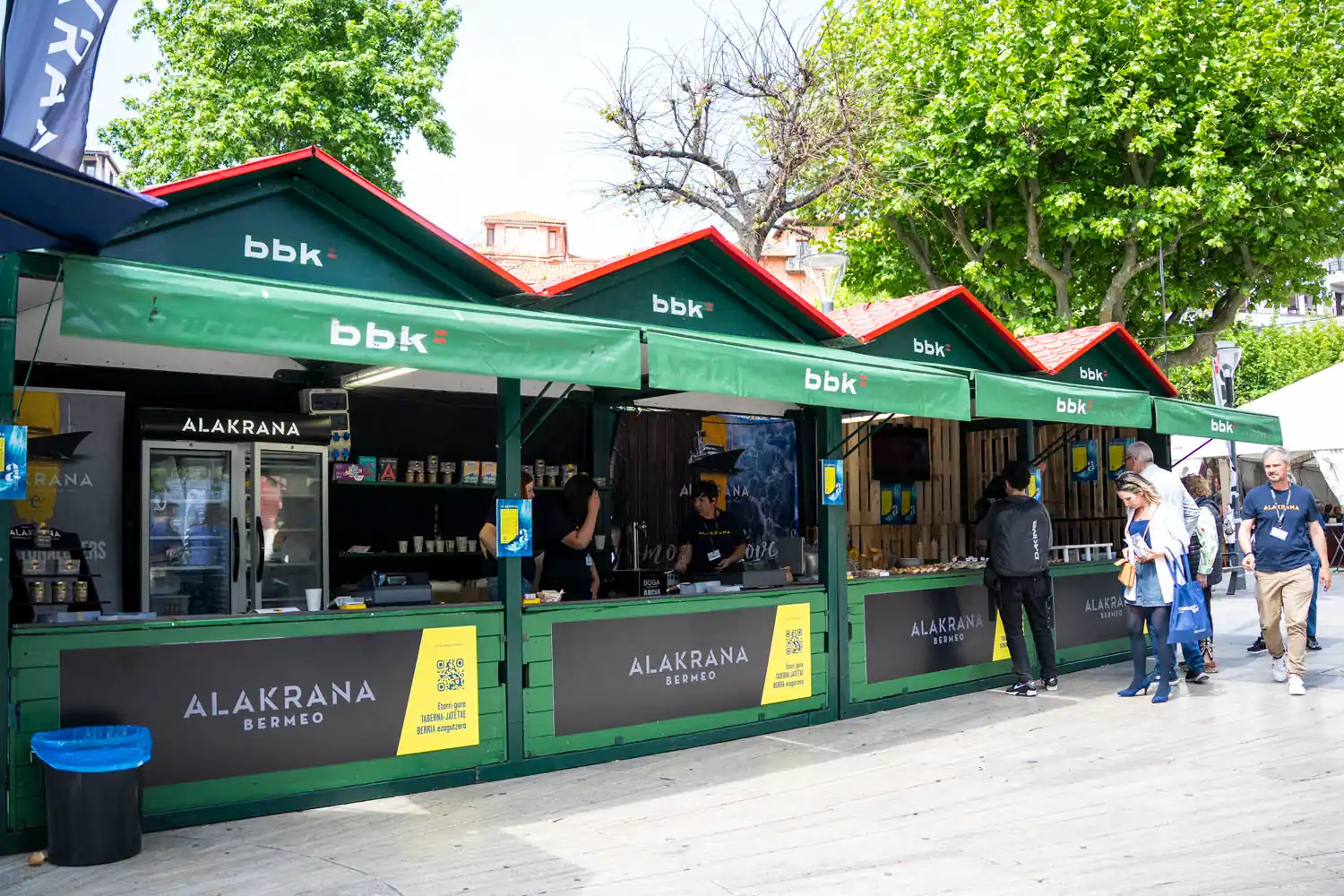
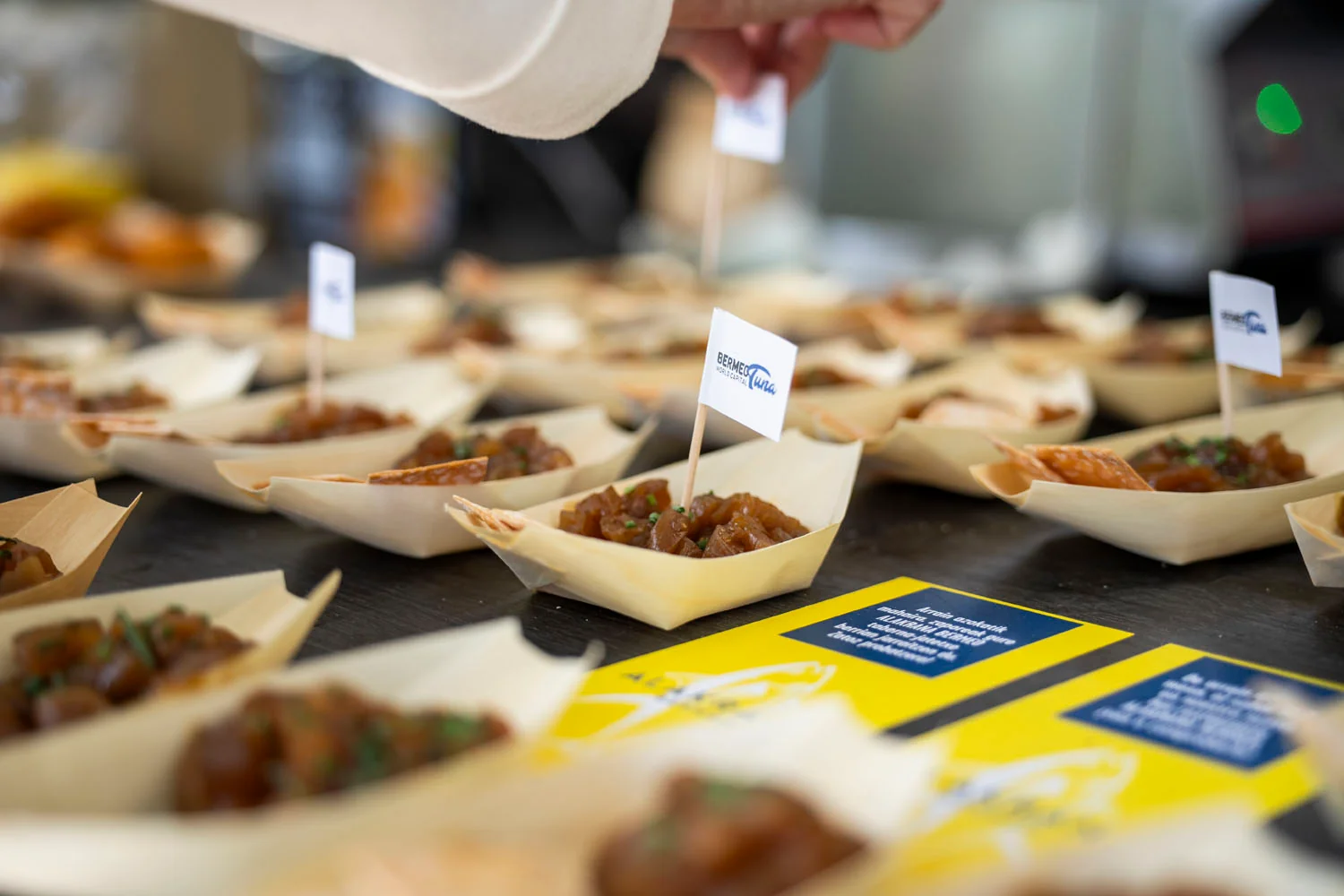
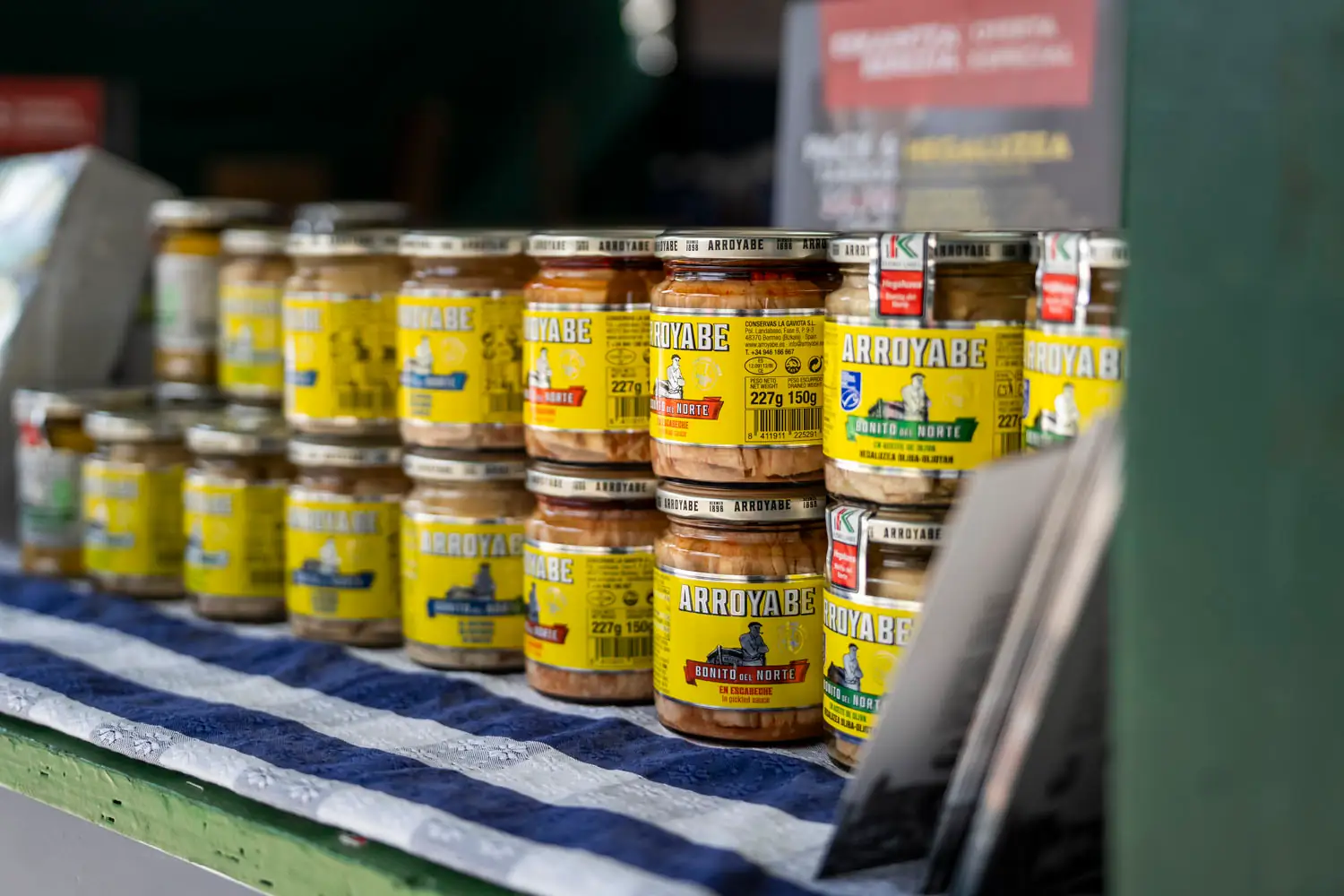
A culinary competition to celebrate World Tuna Day (2 May) and showcase sustainable tuna and northern bonito from Bermeo: tradition, innovation and flavour in the town’s bars.
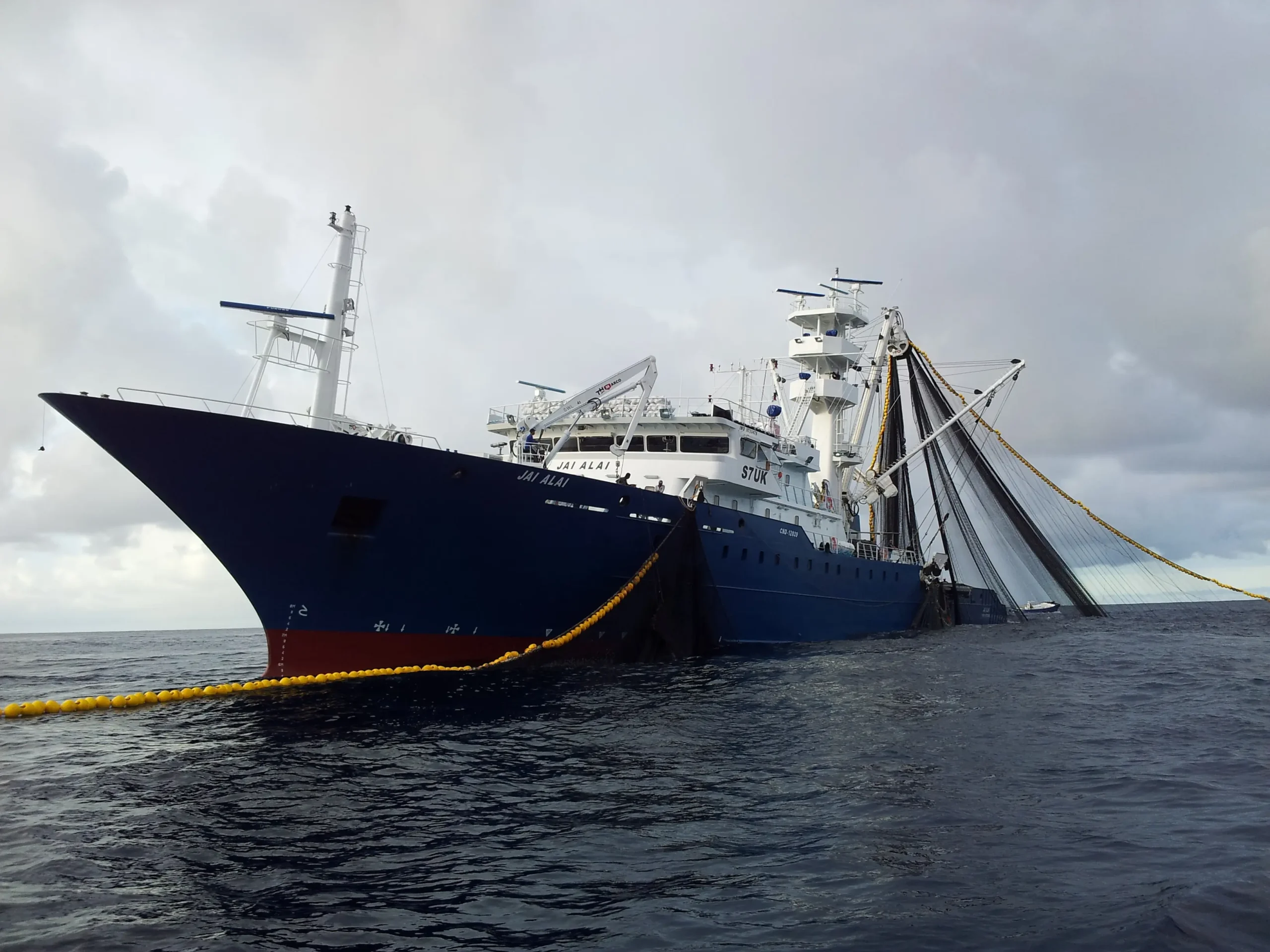
The tuna sector is a strategic industry for the Basque Country, not only because of its historical significance and deep-rooted presence in the region, but also due to its capacity to generate employment, economic activity and industrial development throughout its entire value chain. However, prior to this project, there was no comprehensive assessment capable of rigorously measuring its economic and social contribution across the different areas in which it operates.